
As Kenya accelerates progress toward the Sustainable Development Goals (SDGs) and the aspirations of Vision 2030, inclusive healthcare, social equity, and human dignity remain fundamental pillars. Yet for many individuals in marginalized communities—particularly sexual and gender minorities—these ideals are far from reality. Jared, a 25-year-old gay man from Kendu Bay, knows this struggle all too well.
Growing up in a conservative rural setting, Jared’s identity made him a target of daily stigma and discrimination. What should have been routine visits to health facilities were fraught with anxiety and judgment. Seeking sexual and reproductive health services felt more like an act of bravery than a basic right. Fear of being outed or mistreated kept him from essential care—whether collecting condoms, accessing HIV counseling, or simply asking questions about his health.
Jared’s story reflects the broader gaps Kenya must address in advancing SDG 3 (Good Health and Well-being), SDG 5 (Gender Equality), and SDG 10 (Reduced Inequalities). It also brings to life Vision 2030’s call for universal access to quality healthcare and social justice for all citizens, regardless of their background or identity.
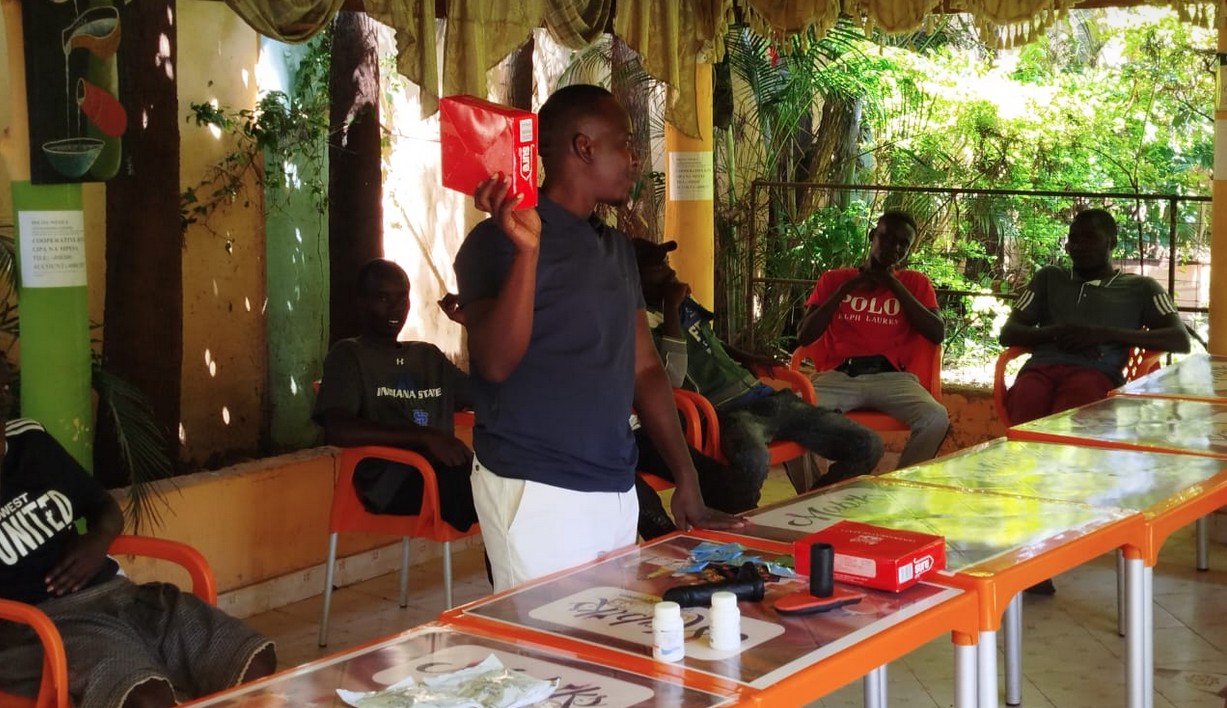
Hope arrived when Jared met Erick, a peer educator with the Justice and Mercy (JAM) Community Integrated Project. JAM supports key populations through empowerment, rights-based education, and stigma-free health outreach. One of its most impactful programs—moonlight activities—offers evening healthcare services tailored for marginalized groups. These mobile outreaches bring safe sex commodities, counseling, and critical SRHR education directly to those often excluded from mainstream services.
At his first moonlight event, Jared was hesitant, burdened by past trauma in healthcare spaces. But he was met not with scorn, but with kindness. Healthcare workers treated him with respect and listened without judgment. For the first time, Jared could speak freely, ask questions, and receive care without fear or shame.
This experience was life-changing. Beyond access to condoms and counseling, Jared found something deeper—validation, resilience, and community. The moonlight activities restored his confidence and gave him the strength to live openly and authentically. No longer forced to choose between health and identity, Jared began to advocate for others like him.
Today, Jared speaks out proudly about the importance of inclusive healthcare. He calls JAM’s initiatives lifelines—proof that safe, affirming spaces can exist even in communities once defined by intolerance. His journey reminds us that true progress means designing systems that leave no one behind.
As Kenya moves forward in its development agenda, investments in initiatives like JAM’s moonlight outreach are essential. They not only provide vital health services but also advance human rights, break down harmful stigma, and bring national and global commitments closer to reality.
Jared’s story is not just personal—it’s a powerful call to action. Building a just, inclusive, and compassionate Kenya demands that we center the voices of those too often left at the margins. Through intentional inclusion and community-driven solutions, we can realize a future where dignity and care are accessible to all.